
FREE ESTIMATES
on any install*
DISCOUNTED DIAGNOSTIC
$89*
ANY REPAIR SERVICE
$50 off
NEW SYSTEM INSTALL
$500 off*
Seasonal
Heating System Check Before Rainy Season | Energy Solutions
OCT 16, 2026
5 min read
Get your heater ready before the cold, rainy season. Follow our easy checks, spot warning signs, and book Energy Solutions Heating & Air Conditioning today.
Checking Your Heating System Before the Cold, Rainy Season Starts
There is a particular kind of dread that comes with the first cold, rainy evening of the season. You walk to the thermostat, raise the temperature, and wait. Maybe the system takes too long to respond. Maybe it rattles, smells strange, or blows lukewarm air. Or maybe it doesn't start at all, and you are left in a chilly house with damp weather outside and no easy way to get a technician out the same day.
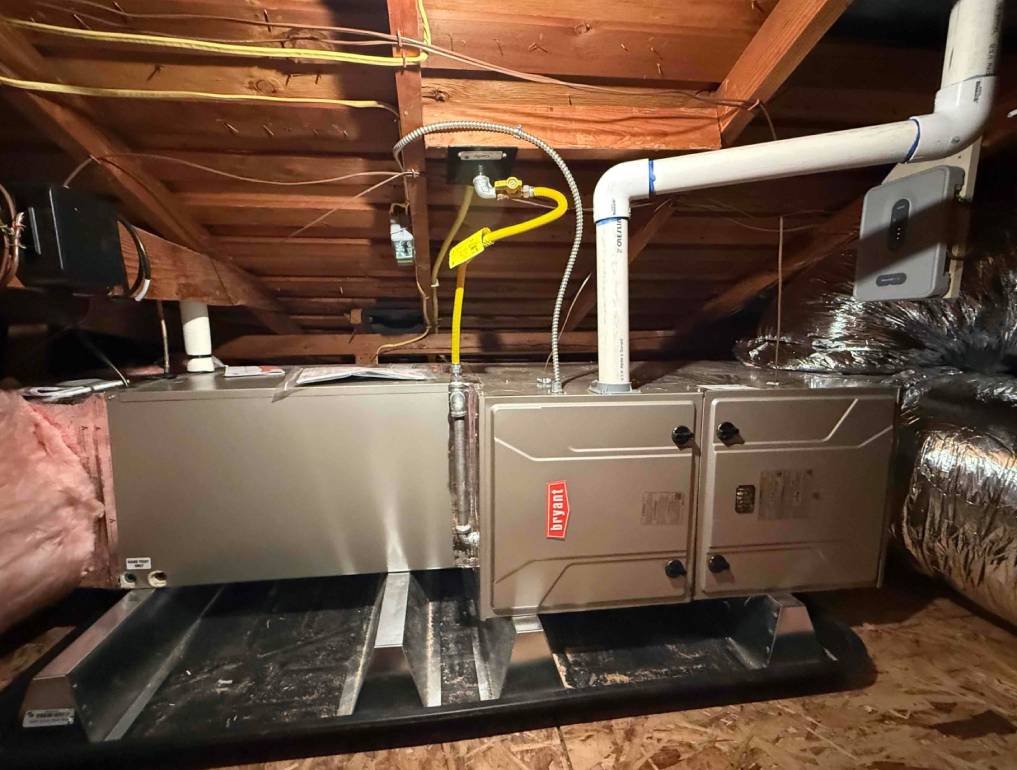
The good news is that most of these situations are avoidable. A little preparation before the weather turns can protect your comfort, your energy bills, and your peace of mind. At Energy Solutions Heating & Air Conditioning, we see the same pattern every year. Homeowners who check their heating systems early rarely face emergencies. Those who wait for the first freezing night often end up scrambling.
This guide walks you through why pre-season heating checks matter, what you can safely inspect yourself, which warning signs call for a professional, and how to plan ahead so your home stays warm all season.
Why Your Heating System Needs Attention Before Cold Weather Arrives
Your heating system spends months sitting idle. During that time, dust settles on components, small parts loosen, and minor wear goes unnoticed. When you finally switch it on, the system goes from zero to full demand almost instantly. If anything is weak or neglected, that is the moment it shows.
Cold, rainy weather makes things harder. Damp air makes your home feel colder than the thermometer suggests, so you tend to set the thermostat higher and run the system longer. Moisture can also affect outdoor equipment, ductwork, and drainage areas. A system that was already struggling will have very little room to cope.
A pre-season check gives you several advantages:
Fewer breakdowns. Catching a worn part in early fall is far easier than dealing with a failed system in the middle of a cold snap.
Lower energy bills. A clean, well-adjusted system uses less energy to deliver the same warmth.
Better comfort. Even heating, steady airflow, and consistent temperatures all depend on a system in good working order.
Improved indoor air quality. Clean filters and clear ducts mean less dust and fewer allergens circulating through your home.
A longer equipment lifespan. Regular care reduces wear and helps your system last as long as it should.
Think of it the way you would think of servicing a car before a long winter road trip. You don't wait for the engine light to come on. You check things while there is still time to fix them calmly.
When to Start Preparing
The best time to check your heating system is early fall, ideally before temperatures drop consistently and before the rainy season begins. That timing is not a coincidence. HVAC companies, including ours, get much busier once the first cold weather hits. Appointment slots fill up quickly, and homeowners with urgent breakdowns take priority.
If you schedule early, you get your choice of appointment times, enough time to order parts if something needs replacing, and a heating season that starts without surprises. If you have not done it yet and the weather is already cooling, do not wait any longer. Starting this week is far better than starting after the first outage.
Simple Heating System Checks You Can Do Yourself
You do not need to be a technician to spot early warning signs. These basic checks take less than an hour in total and can reveal problems before they become costly.
1. Test Your Thermostat
Set your thermostat to heat mode and raise the temperature by a few degrees above the current room temperature. Within a few minutes, you should hear the system start and feel warm air coming from the vents.
Pay attention to the following:
Does the system start promptly?
Does the room temperature eventually match the thermostat setting?
Is the thermostat display responsive, or is it blank, dim, or glitchy?
If you have a battery-powered thermostat, replace the batteries as a precaution. If you use a programmable or smart thermostat, review your schedule and update it for the colder months. A well-programmed thermostat can reduce energy use without sacrificing comfort.
If the system does not respond or the temperature never reaches the setting, the issue could be the thermostat, the wiring, or the heating equipment itself. That is a good time to call a professional.
2. Replace or Clean the Air Filter
The air filter is one of the simplest and most important parts of your heating system. A clogged filter restricts airflow, forcing the system to work harder to push warm air through your home. This can lead to uneven heating, higher energy bills, and unnecessary strain on components, including the blower motor and the heat exchanger.
As a general guide, most disposable filters should be replaced every one to three months. Homes with pets, smokers, allergy sufferers, or heavy dust may need more frequent changes. Hold the filter up to the light. If you cannot see light through it, it is time for a replacement.
3. Check Vents, Registers, and Return Grilles
Walk through your home and look at every vent and register. Furniture, rugs, curtains, and boxes often end up blocking them over time, especially after a summer of rearranging.
Blocked vents can cause:
Rooms that never feel warm enough
Uneven temperatures from one part of the house to another
Pressure imbalances that make the system work harder
Also check your return air grilles, which pull air back into the system. These need clear space around them to maintain proper airflow. While you are at it, wipe away visible dust from vent covers. It is a small step that improves air quality.
4. Listen for Unusual Noises
When you first run the system, listen carefully. A little noise at startup is normal, but certain sounds are red flags:
Banging or popping: may indicate loose or expanding components, or delayed ignition in some systems
Squealing or screeching: often points to a worn belt or failing motor bearings
Rattling: can mean loose panels, screws, or debris inside the unit
Grinding: a more serious sign that moving parts may be damaged
Do not ignore persistent noises. They rarely resolve on their own, and continuing to run the system can turn a small repair into a major one.
5. Pay Attention to Smells
A brief dusty or burning-dust smell when you first turn on the heat after months of inactivity is normal. It usually fades within an hour or so as accumulated dust burns off.
Other smells should be taken more seriously:
A persistent burning smell could indicate an electrical issue or overheating component.
A musty or moldy smell may point to moisture in the ductwork or system, which is more likely during rainy weather.
A gas-like or rotten-egg smell is a safety concern. Leave the house, avoid using switches or flames, and contact your gas provider or emergency services right away.
6. Inspect the Area Around Your Equipment
Look at the space around your furnace, heat pump, or outdoor unit. Equipment needs room to breathe. Remove stored boxes, paint cans, cleaning supplies, or any other clutter from around indoor equipment. Flammable items should never be stored near a furnace.
Warning Signs Your Heating System Needs Professional Help
Basic checks are useful, but some problems are beyond what homeowners should attempt to fix. Contact a qualified technician if you notice any of the following:
The system will not turn on or shuts off shortly after starting
Weak airflow from vents, even after changing the filter
Rooms that stay cold while others feel fine
Short cycling, where the system turns on and off repeatedly
Sudden increases in energy bills with no change in your usage
Water leaks or visible moisture around the equipment
Strange noises or smells that persist
An older system, typically more than 10 to 15 years old, that struggles to keep up
If something feels wrong with your system, our team provides professional heating repair to diagnose the problem accurately and restore your home's comfort. Addressing issues early often means a simpler fix, a lower cost, and less disruption to your household.
Why Cold, Rainy Weather Is Especially Tough on Heating Systems
Cold weather alone is demanding. Cold, wet weather adds another layer of stress.
Damp air feels colder. Humidity makes a home feel chillier even at the same temperature. Homeowners tend to raise their thermostats and run the system for longer stretches, which increases wear and energy use.
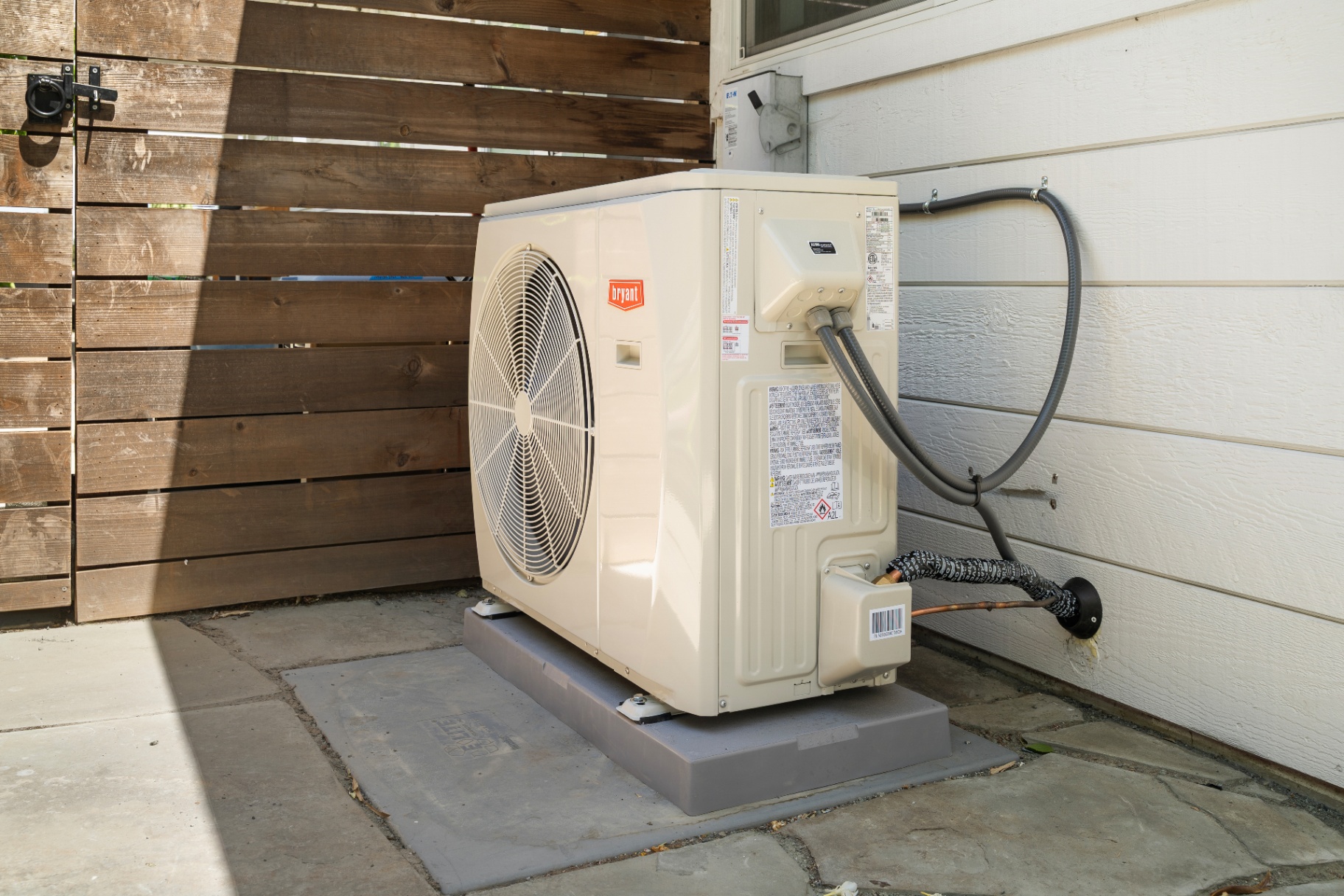
Moisture affects equipment. Outdoor components, including heat pumps and condensers, are exposed to rain and humidity. Over time, moisture can contribute to corrosion, electrical problems, and drainage issues.
Ductwork can be affected. Leaky or poorly insulated ducts can let in damp air or lose heat in unconditioned spaces such as attics and crawl spaces. That means the warm air your system produces may never fully reach the rooms that need it.
Condensation can cause problems. Certain high-efficiency systems produce condensation as part of normal operation. If drain lines are blocked or damaged, the system may shut down or leak.
Humidity can affect indoor air quality. Excess moisture inside the home can encourage mold and mildew, especially if airflow is poor.
Understanding these factors helps explain why a heating check before the rainy season is not just about warmth. It is about making sure your whole system is ready to handle the specific conditions your home will face.
What a Professional Heating Tune-Up Includes
A do-it-yourself check is a great starting point, but a trained technician can inspect parts of your system that are not visible or safe for homeowners to touch. During a professional heating maintenance visit, a technician will typically:
Inspect the heat exchanger for cracks or damage, which can be a safety concern
Check burners and ignition components to confirm the system lights and runs correctly
Test electrical connections and controls for wear, looseness, or corrosion
Clean key components to remove dust and buildup that reduce efficiency
Check the blower motor and fan for proper operation
Test thermostat accuracy and system calibration
Inspect the flue and venting to make sure exhaust gases leave your home safely
Evaluate airflow and look for restrictions or imbalances
Check safety controls and shutoffs to ensure they function as designed
Look for signs of moisture or leaks that could cause damage over time
For homeowners looking for dependable residential HVAC service, scheduling maintenance before the cold season is one of the smartest moves you can make. The team at Energy Solutions focuses on keeping homes warm, efficient, and safe, so you can head into the colder months with confidence.
How Regular Maintenance Saves You Money
Many homeowners see maintenance as an extra expense. In reality, it usually saves money over time.
It prevents costly emergency repairs. Emergency service calls during peak season are inconvenient and often more expensive. Catching issues early keeps repairs smaller and more predictable.
It improves efficiency. Dirty components and poor airflow force your system to use more energy. A tuned-up system runs more smoothly and can help keep your monthly bills more stable.
It extends equipment life. Heating systems are a significant investment. Regular care helps them last longer and delays the cost of full replacement.
It protects your warranty. Many manufacturers require proof of regular maintenance to keep warranty coverage valid. Skipping service could put that coverage at risk.
It improves safety. Gas and combustion-based systems need regular inspection to make sure they operate safely and vent properly.
When you compare the cost of a tune-up to the cost of an unexpected breakdown, the choice becomes clear.
Conclusion
When the temperature drops and the rain sets in, HVAC companies get flooded with calls. Wait times grow, and urgent repairs take priority over routine service. Booking your heating check early lets you pick a time that suits you, gives your technician room to do a thorough job, and spares you the stress of a breakdown on a cold, wet night.
A little preparation now means a warmer, safer, and more efficient home all season. At Energy Solutions Heating & Air Conditioning, our team is ready to inspect, tune up, and get your system running at its best before the cold arrives.
Don’t wait for the first cold snap. Contact Energy Solutions Heating & Air Conditioning today to schedule your pre-season heating service and stay warm, comfortable, and worry-free all winter long.
Frequently Asked Questions
1. When should I schedule a heating system check-up?
The best time is early fall, before temperatures drop and the rainy season begins. Booking early helps you avoid the seasonal rush and gives time for any repairs.
2. How often should I change my furnace filter?
Most filters need replacing every one to three months. Homes with pets, allergies, or high dust levels may need more frequent changes.
3. How do I know if my heating system needs repair?
Common signs include strange noises, weak airflow, uneven room temperatures, rising energy bills, frequent cycling, or a system that will not start.
4. Can rainy weather affect my heating system?
Yes. Moisture can lead to corrosion, leaks, and drainage problems, especially around outdoor units. Damp, cold conditions also make your system work harder.
5. Is professional heating maintenance really necessary?
Yes. A technician can find hidden issues, improve efficiency, and help prevent unexpected breakdowns, giving you more reliable warmth all season.
More from the blog
Seasonal
Winter to Spring Temperature Swings: How Fast Weather Changes Stress Your HVAC System
When East Bay weather swings from 50°F mornings to 80°F afternoons, your HVAC works overtime. Here's how to protect your system.
Heating
How Much Does Furnace Replacement Cost in the East Bay?
Furnace replacement in the East Bay typically costs $4,500 to $12,000 depending on efficiency, brand, and installation complexity.
Maintenance
Spring AC Tune-Up: Why It's Required to Keep Your Warranty Valid
Skipping your annual AC tune-up could void your warranty. Here's what manufacturers require and why spring is ideal.
Company
Service Areas
Contact
Mon–Fri 7:30AM–4:30PM · Sat–Sun Closed
CSLB License #1132058
Accredited

© 2026 Energy Solutions Heating & Air Conditioning. All rights reserved.
Antioch, CA · Serving the East Bay