
FREE ESTIMATES
on any install*
DISCOUNTED DIAGNOSTIC
$89*
ANY REPAIR SERVICE
$50 off
NEW SYSTEM INSTALL
$500 off*
Seasonal
HVAC System Repair or Replace? A Fix Before Replace Guide
OCT 16, 2026
6 min read
HVAC System repair or replacement? Compare system age, repair history, efficiency, and reliability to decide when fixing makes sense. Read the full guide.
When Should You Repair Your HVAC System Instead of Replacing It?
The air conditioner stops cooling on the hottest week of the year. Or the furnace shuts off on a cold night. A technician arrives, finds the problem, and gives you a number. Then comes the question every homeowner dreads: is this worth fixing, or is it time for a new system?
This is a big decision. A new system is a major investment, and a repair that fails soon after is money wasted. That is why smart HVAC repair decisions start with facts, not pressure. The right answer depends on the age of the system, its repair history, its efficiency, and how reliable it has been.
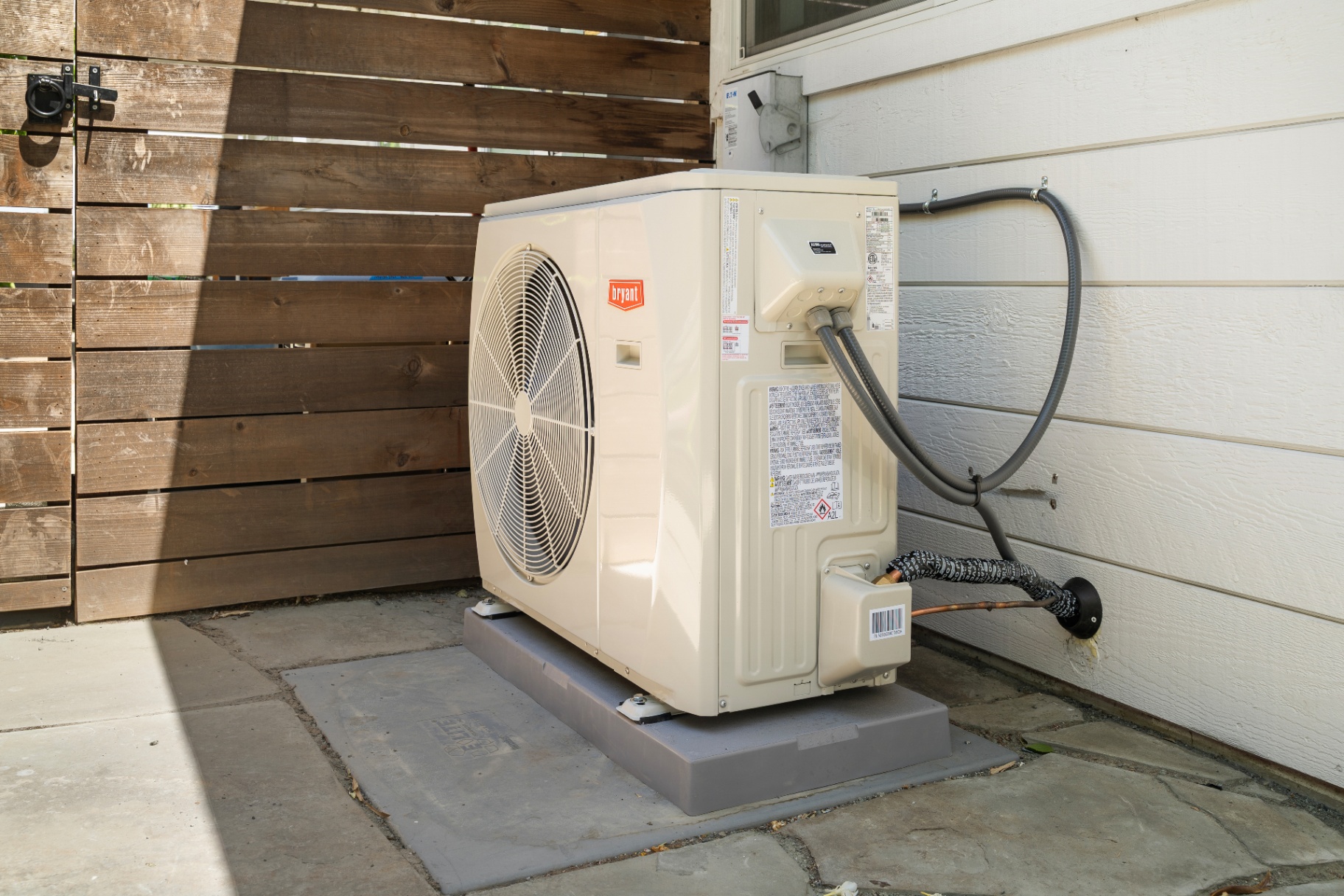
This guide explains a simple fix before replace approach. You will learn how to weigh each factor, how to use common rules of thumb, and which replacement signs matter most. By the end, you should feel ready to ask better questions. If you want a second opinion along the way, you can talk with a local Energy Solutions provider about your options before you commit to anything.
What "Fix Before Replace" Really Means
Fix before replace is a simple idea. If a system can be repaired well and will keep running reliably, repair it. If it cannot, say so honestly and plan a replacement.
This approach protects homeowners in two ways. First, it avoids replacing a system that still has years of good service left. Second, it avoids pouring money into a system that is clearly failing. The goal is not to push either option. The goal is to find the choice that makes sense for your home.
A good HVAC repair decision looks at five things:
Age. How old is the system compared with its expected life?
Repair history. How often has it broken down, and what was fixed?
Efficiency. Is it using more energy than it should?
Reliability. Can you trust it during extreme weather?
Economics. What do repair and HVAC replacement each mean over the next several years?
Each factor is covered below.
Factor One: The Age of Your System
Age is the first thing most technicians check. It does not decide the answer alone, but it sets the stage.
Understanding HVAC Lifespan
HVAC lifespan varies by equipment type, climate, installation quality, and maintenance. As a general guide:
Central air conditioners often last about 12 to 20 years.
Gas furnaces often last about 15 to 25 years.
Heat pumps often last about 10 to 20 years, since they run in both seasons.
Ductless mini-splits often last about 10 to 20 years.
These ranges are broad. A well-maintained system in a mild climate may last longer. A neglected system in a harsh climate may wear out sooner. The label date and the model number can help you find the exact age. Check the data plate on the outdoor unit or furnace.
What Counts as an Old HVAC System?
An old HVAC system is one that has reached or passed the middle to late part of its expected life. For many homes, that means a system around 12 to 15 years old or more. At this point, parts begin to wear out more often. Repairs may still make sense, but each repair deserves a closer look.
When Age Alone Is Not Enough
Do not decide on age alone. A ten-year-old system with a failed capacitor is an easy repair. A twenty-year-old system with a failed compressor is a different story. Age matters most when it is combined with other warning signs.
Factor Two: Your Repair History
Your repair history tells you whether a system is having a bad week or a bad decade.
Look for Patterns
Ask yourself these questions:
How many repairs have there been in the last two or three years?
Were they small fixes or major parts?
Did the same problem keep coming back?
Did a repair solve the issue, or did new problems appear soon after?
One repair on an otherwise healthy system is normal. Several repairs in a short time can point to a system that is wearing out across the board. When different parts fail one after another, the system may be telling you something.
Keep a Simple Record
Save every invoice and note the date, the problem, and the part replaced. A short list like this makes it easier to see patterns. It also helps a technician understand what has already been done. Over time, a clear record can show whether repairs are bringing the system back to health or just buying time.
Factor Three: Efficiency and Energy Bills
An older system often uses more energy to deliver the same comfort. Efficiency slips with age as parts wear and airflow changes. Newer equipment is usually built to higher efficiency standards than equipment from ten or twenty years ago.
Warning Signs in Your Energy Use
Watch for these clues:
Higher energy bills with no change in your habits
Rooms that are too hot or too cold
Long run times to reach the set temperature
Frequent on and off cycling
Uneven airflow from vents
Some of these problems come from the system. Others come from ducts, insulation, or settings. This is why a proper diagnosis matters. A leaky duct, for example, can waste energy even in a new system. Fixing it may improve comfort without any replacement.
Why Sizing Matters
A system that is too large or too small will not run well, no matter how new it is. A good contractor checks the size of the home, insulation, windows, and ducts before recommending a new system. Ask whether a load calculation will be done. This step helps make sure that any HVAC replacement matches your home, not just your old equipment.
Factor Four: Reliability and Comfort
Reliability is hard to put into numbers, but it matters. A system that works most days but fails during a heat wave is not truly reliable.
Ask yourself:
Do you worry about the system on extreme weather days?
Have you had emergency calls in the last year?
Is the system noisy, or does it have strange smells?
Does it struggle to keep every room comfortable?
If you have started planning around your system's weak spots, that is a sign. For example, some families keep backup fans or heaters ready in case the system fails. Others avoid travel in peak seasons because they worry about breakdowns. These habits are signs that trust is gone.
Safety Concerns
Some problems are more than a comfort issue. A cracked heat exchanger in a gas furnace, for example, can be a safety risk. If a technician finds this, ask to see the problem and discuss options. In many cases, a cracked heat exchanger on an older furnace leads to replacement. Also make sure you have working carbon monoxide detectors in your home.
Simple Maintenance to Extend HVAC Lifespan
Good maintenance can delay replacement and reduce the number of repairs. Here are the basics.
Change filters on schedule. Dirty filters strain the system and reduce airflow.
Schedule tune-ups. Have the system checked before heavy-use seasons.
Keep the outdoor unit clear. Remove leaves, grass, and debris from around it.
Clean vents and registers. Make sure furniture and rugs do not block airflow.
Check the thermostat. Replace batteries and confirm settings.
Watch for changes. New noises, smells, or higher bills are early warnings.
Seal and insulate ducts. Leaky ducts waste energy and comfort.
These small habits help keep an older system healthy. They also give technicians a better chance to catch problems early.
If You Own a Small Business Property
Many of the same ideas apply to small commercial buildings, but the equipment and needs can differ. Rooftop units, split systems, and package units are common in offices, shops, and restaurants. A breakdown can also affect customers and staff, so downtime matters more.
Some companies serve both homes and businesses. For example, Energy Solutions lists light commercial work on its website, covering systems under 30 tons. If you manage a property with a shop or office, it may help to review what commercial HVAC support looks like in your area. You can also compare how different commercial HVAC services handle repair, installation, and maintenance programs before you decide.
A Local Example: Energy Solutions Heating & Air Conditioning
To show how these ideas look in practice, here is how one local company describes its approach. Energy Solutions Heating & Air Conditioning is a family-run company based in Antioch, CA, serving the East Bay. According to its website, it has more than 25 years of experience and is licensed, bonded, and insured.

The company states that it follows a fix before replace approach. It says it repairs systems when repair is possible and treats replacement as a last resort. Its website also says it provides written quotes before work begins, pulls permits for installations, and offers a 10-year installation warranty. Its range of HVAC Repair & Installation services includes AC repair, heating repair, furnace and AC installation, heat pumps, and indoor air quality solutions.
Conclusion
Deciding between HVAC repair and replacement does not need to be stressful. Start with the facts. Check the system's age, review its repair history, look at your energy bills, and think about how much you trust it in extreme weather. Then compare the real economics of each option, including what you plan to do with your home.
If you would like a professional opinion on your system, contact us today to talk with the team at Energy Solutions about your situation. You can also visit Energy Solutions Heating & Air Conditioning to learn more about its services before you decide.
Frequently Asked Questions
1. When is HVAC repair better than replacement?
HVAC repair is usually better when the system is not near the end of its life, the problem is a small part, and the repair is a small share of the price of a new system. A system with few past repairs and stable energy bills is also a good candidate for repair.
2. How long does an HVAC system usually last?
HVAC lifespan depends on the type of equipment, climate, installation, and maintenance. Many air conditioners and furnaces last about 12 to 25 years, while heat pumps often last somewhat less because they run year round. Regular maintenance can help systems reach the upper end of these ranges.
3. What are the main replacement signs I should watch for?
Key replacement signs include an old HVAC system, frequent repairs, rising energy bills, uneven comfort, unusual noises or smells, a major part failure such as a compressor, and safety problems such as a cracked heat exchanger. Several signs together are a stronger warning than one alone.
4. How do I decide whether to repair or replace HVAC equipment on a budget?
Compare written quotes for both options. Use rules of thumb, such as the 50 percent rule, to see whether repair is a sensible share of the price of a new system. Also consider how long you will stay in the home, possible energy savings, rebates, and financing options for qualified customers.
5. Can regular maintenance delay HVAC replacement?
Yes. Changing filters, scheduling tune-ups, keeping the outdoor unit clear, and sealing ducts can reduce wear and catch small problems early. Maintenance does not stop aging, but it can help the system last longer and reduce surprise breakdowns.
More from the blog
Seasonal
Winter to Spring Temperature Swings: How Fast Weather Changes Stress Your HVAC System
When East Bay weather swings from 50°F mornings to 80°F afternoons, your HVAC works overtime. Here's how to protect your system.
Heating
How Much Does Furnace Replacement Cost in the East Bay?
Furnace replacement in the East Bay typically costs $4,500 to $12,000 depending on efficiency, brand, and installation complexity.
Maintenance
Spring AC Tune-Up: Why It's Required to Keep Your Warranty Valid
Skipping your annual AC tune-up could void your warranty. Here's what manufacturers require and why spring is ideal.
Company
Service Areas
Contact
Mon–Fri 7:30AM–4:30PM · Sat–Sun Closed
CSLB License #1132058
Accredited

© 2026 Energy Solutions Heating & Air Conditioning. All rights reserved.
Antioch, CA · Serving the East Bay